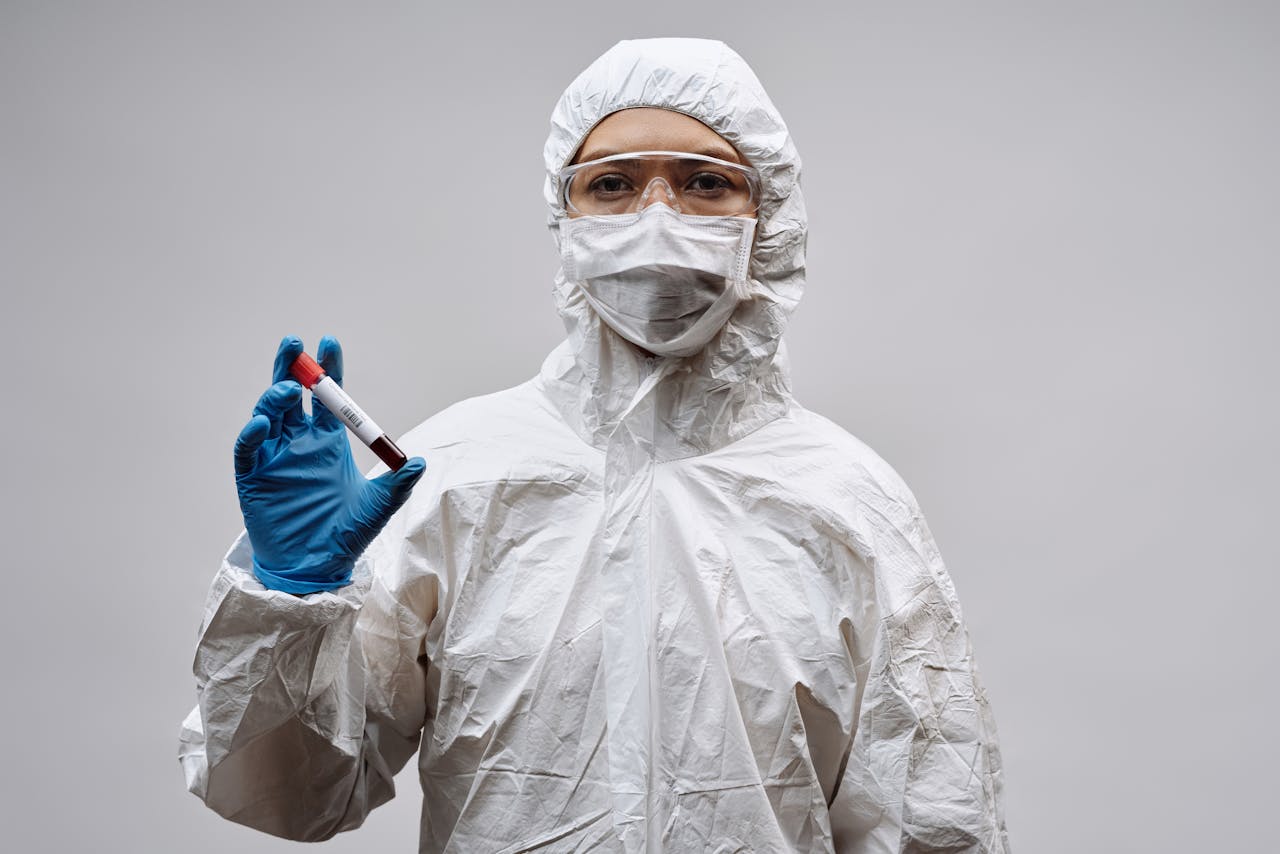
West Bengal’s identification of a potential Nipah virus infection is the first to occur in almost 19 years. As health authorities prepare for another outbreak, they are increasing their surveillance efforts, as well as monitoring those who may have come into contact with the infected individual in West Bengal or another state. Furthermore, health agencies are taking steps to ensure that necessary public health interventions are put in place, especially considering the high mortality rate associated with Nipah virus infection and the ability of the virus to spread quickly.
Nipah virus (NiV), a zoonotic disease, is one of the most dangerous pathogens in the world. The state of India has experienced multiple outbreaks of Nipah virus infection, particularly in Kerala; however, the re-emergence of the virus in West Bengal after nearly two decades is a cause for concern.
This article outlines what Nipah Virus is, how it spreads, what symptoms it produces, past Nipah Virus outbreaks in India, etc.
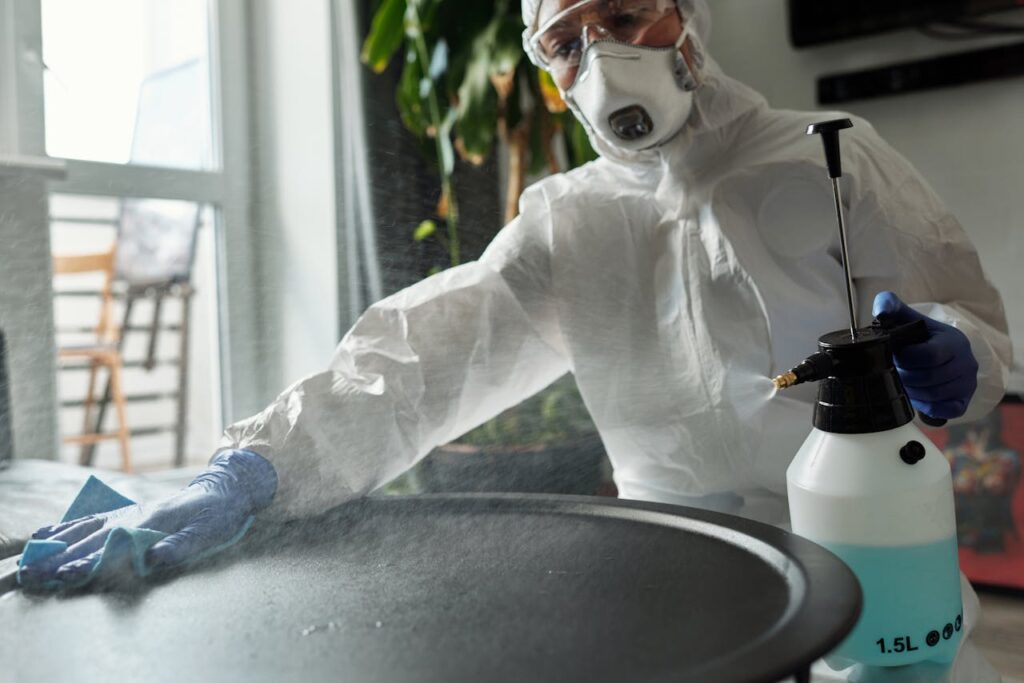
Image source: pexels.com
Table of Contents
What Is Nipah Virus?
Nipah virus (NiV) is a zoonotic virus that is transmitted between animals and humans and is a member of the Paramyxoviridae family and Henipavirus genus, both of which are members of the viral family Paramyxoviridae. This virus was discovered during a series of outbreaks that occurred in Malaysia and Singapore from 1998 to 1999. The name Nipah comes from the name of the village in which the virus was first identified, Nipah Village.
Nipah virus can cause serious respiratory disease and brain inflammation (encephalitis), and both types of infections can be fatal. The high death rate for this virus (40% – 75%) poses a significant risk for the general public, particularly during outbreaks, and the quality of healthcare response also influences the overall risk.
Natural Reservoir of Nipah Virus
The natural host for the Nipah virus is the fruit bat (Pteropus spp.), sometimes referred to as a flying fox. These bats are asymptomatic carriers of the virus; therefore, they can transmit the virus to other animals or humans without showing clinical signs of illness.
Transmission of the virus to humans typically occurs when:
- Humans eat food that is contaminated with bat saliva or urine.
- Animals (pigs) become infected with the Nipah virus and then infect humans.
How Does Nipah Virus Spread?
The multiple routes of transmission for the Nipah virus create a challenge for controlling the Nipah virus.
Transmission from animals to humans:
- Raw date palm sap containing fruit bat saliva;
- Fruits that are partially eaten by bats;
- Contact with infected animals, for instance, pigs.
Transmission from humans to humans:
- Close contact with infected individuals;
- Bodily fluids such as saliva, blood, urine, respiratory secretions;
- Infection in healthcare environments, particularly where NO quarantine measures are in place.
Outbreaks reported in India have shown definitive evidence of human-to-human transmission, identifying the need for early isolation as a crucial step to halt spreading.
Symptoms of Nipah Virus Infection
The incubation period typically spans from five to fourteen days, although there are extended cases of greater than 14 days.
Initial signs and symptoms are:
- Fever
- Headaches
- Muscle aches
- General symptoms of fatigue
- Nausea
- Painful throat
As Nipah advances, infected patients may see:
- Loss of balance/wooziness/confusion;
- Respiratory distress;
- Advanced respiratory distress;
- Brain swelling (encephalitis);
- Seizures;
- Loss of awareness/coma.
Patients who display neurological signs may, in 24 to 48 hrs., succumb to the illness.
Nipah Virus Outbreaks in India: A Brief History
Several Nipah virus outbreaks in India have been reported throughout the last two decades, as listed below:
- West Bengal (2001) — The first Nipah virus outbreak ever recorded in West Bengal, India, occurred
- West Bengal (2007)—The second Nipah virus outbreak to occur in the West Bengal state
- Kerala (2018)— The major Nipah virus outbreak in the state occurred with a high number of deaths
- Kerala (2021) — One Nipah virus case was confirmed
- Kerala (2023 & 2024)—Numbers of sporadic cases reported
The last confirmed outbreak of the Nipah virus in West Bengal occurred in 2007. The detection of Nipah virus 19 years after the last recorded case is very important.
Must read: Grilinctus Syrup: 5 FAQs Answered for Quick Relief from Cough
Why the New Detection in West Bengal Is a Major Concern
Health officials have said that the discovery of this new Nipah virus case in West Bengal raises concern for the following reasons:
1. Length of Time Between Outbreaks
With nearly twenty years passing since the last confirmed outbreak, awareness and preparedness to deal with the situation may be low.
2. Density of Population
With a very high density of people, the spread of Nipah may occur much quicker.
3. Nipah Virus Cases Reported Across Borders
West Bengal borders a country (Bangladesh), and every year cases of Nipah are reported out of that country, which makes it known that this virus can travel.
4. Lack of Vaccine or Treatment
There is no specific vaccine or treatment available for treating this virus; therefore, early detection and preventive measures must be taken seriously.
Is There Any Treatment or Vaccine for Nipah Virus?
At this time, there are no approved vaccines or antiviral drugs for Nipah virus infections.
Treatment
Supportive medical care is used to manage:
- Fever and pain
- Oxygen or ventilator support
- Reduction of brain swelling
- Treatment of secondary bacterial or viral infections.
Monoclonal antibodies are one of the experimental treatment options currently being researched but not available to the general public. Some hospitals are participating in clinical studies where patients may receive monoclonal antibodies through an experimental protocol.
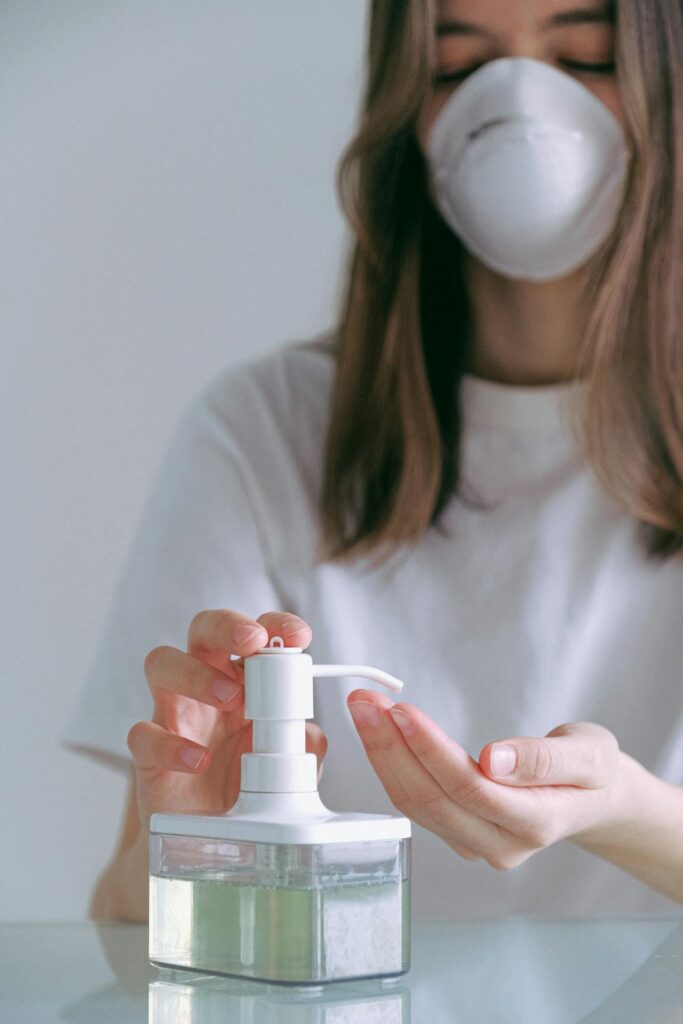
Image source: pexels.com
How Can Nipah Virus Be Prevented?
Prevention will remain the best option to protect against Nipah virus infection.
General Public:
- The consumption of raw, unprocessed date palm sap should be avoided.
- All fruits should be properly washed before consumption.
- Fruits that appear as though they have been bitten or damaged by bats should not be consumed.
- Avoid close contact with sick animals.
- Good hand hygiene practices should be maintained.
Healthcare Workers:
- PPE must be worn by healthcare workers.
- Strict adherence to infection control guidelines must be followed
- Suspected cases should be put into isolation as soon as possible
- Medical waste must be disposed of in a safe manner.
Public awareness and community support will be critical to preventing Nipah virus outbreaks.
Conclusion
West Bengal’s confirmation of the Nipah virus after a period of nearly 19 years is a reminder of the risks that zoonotic diseases continue to pose. Nipah virus has high mortality rates associated with it, and there is no effective treatment currently available, so it is imperative that the response to Nipah virus is immediate, the public educated, and that strict preventative measures are in place.
As health authorities do what is necessary to stop the spread of Nipah virus, the public must cooperate by being alert, following good hygiene practices, and seeking medical assistance at the first indication of any symptoms of Nipah virus, all of which will greatly reduce the public’s risk.
As India improves its systems for monitoring and detecting disease outbreaks, the combined efforts of rapid identification and responsible behavior by the public will remain the most effective forms of fighting against Nipah virus.
Must read: KZ Lotion: 4 Key Uses, Benefits, Price & Substitutes You Must Know

345betlogin delivers the speed and reliability you want. Login is smooth, and the fun never stops. Definitely worth a look: 345betlogin
Giving phwin777 a try. So far, so good. The games loaded fast and the site’s easy breezy. I hope my newbie’s luck kicks in soon! phwin777
Just tried out one21game and it’s a fun little distraction. Not gonna lie, I lost a bit, but the gameplay is engaging and the site runs well. Could be your new go-to spot. Give it a whirl! one21game